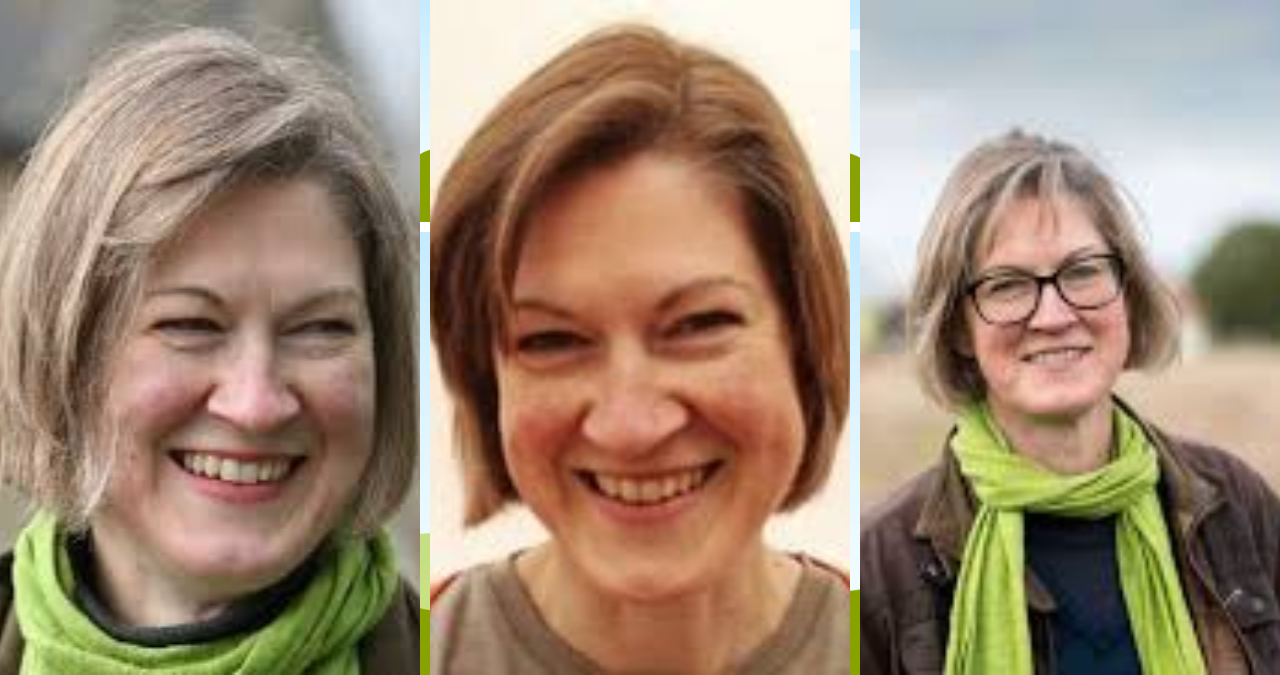

Helen Mary Geake is one of the most prominent British archaeologists of her generation, widely recognized for her expertise in early medieval archaeology and her dedication to making archaeology accessible to the public. She has combined rigorous scholarship with media engagement, museum curation, and political involvement, establishing herself as both a respected academic and a trusted public voice in heritage and history.
Early Life and Education
Helen Geake was born on 23 July 1967 in Wolverhampton, England, and spent much of her childhood in Bath, a city rich in historical significance. Her early environment exposed her to the remnants of Britain’s Roman and medieval past, fostering a lifelong fascination with history. Initially training as a secretary, Helen realized her true passion lay in understanding the past and decided to pursue formal studies in archaeology.
She enrolled at University College London, where she studied medieval archaeology. During her undergraduate years, Helen developed a particular interest in the Anglo-Saxon period, especially the study of burial practices and grave goods, which became a central focus of her later research. Motivated by this interest, she pursued a doctoral degree at the University of York, where she completed a DPhil (PhD) examining burial rites and the cultural significance of grave goods in early medieval England, with a focus on the period between the 6th and 9th centuries. Her academic training provided her with a strong foundation in material culture, historical context, and analytical research methods.
Academic Career and Museum Work
After completing her doctoral research, Geake began her professional career at Norwich Castle Museum as Assistant Keeper of Archaeology. In this role, she managed collections, oversaw exhibitions, and contributed to curatorial decisions, ensuring that the public could engage meaningfully with historical objects. Her early career highlighted her ability to combine rigorous scholarship with public outreach.
She later became a Finds Liaison Officer for Suffolk as part of the Portable Antiquities Scheme (PAS), a national initiative encouraging members of the public to report archaeological finds. Her work involved cataloging, interpreting, and documenting artefacts, particularly from the early medieval period. Through the PAS, Helen emphasized the importance of community involvement in archaeology and demonstrated how even small finds can illuminate significant aspects of the past. Over time, she became the PAS’s Finds Adviser for Early Medieval objects, contributing to the national understanding of Anglo-Saxon and Viking-period artefacts.
Scholarship and Publications
Helen Geake has contributed extensively to academic research on early medieval England. Her work has focused primarily on Anglo-Saxon burial practices, the interpretation of grave goods, and the social and religious transformations that occurred during the Christianization of England. Her doctoral thesis was later published as a monograph, providing a detailed analysis of how burial practices reflected societal change and identity formation in early medieval communities.
In addition to her monograph, Geake has authored and contributed to numerous scholarly articles, edited volumes, and exhibition catalogues. Her research is widely cited in studies of Anglo-Saxon archaeology and continues to influence contemporary interpretations of early medieval material culture. She has consistently emphasized the connection between objects, people, and cultural practices, demonstrating how even minor artefacts can provide insight into historical narratives.
Television and Public Outreach
Helen Geake is perhaps best known to the general public through her appearances on the long-running Channel 4 television series Time Team. She first appeared on the show in 1998 and became a regular expert from 2006 onwards, specializing in Anglo-Saxon archaeology. Her contributions involved analyzing artefacts, interpreting burial sites, and explaining complex archaeological concepts in ways that were accessible to a wide audience.
Through Time Team, Helen helped demystify archaeology for the general public, showing how excavations and discoveries reveal the lives of ordinary people in the past. She became a familiar face for viewers, admired for her expertise, clarity, and enthusiasm. Beyond television, Helen has continued to engage audiences through talks, lectures, and the Time Team Podcast, where she discusses archaeological discoveries and heritage issues with professionals and enthusiasts alike.
Political Involvement and Local Service
In addition to her academic and media work, Geake has engaged in politics as a member of the Green Party of England and Wales. She stood as the Green candidate for Bury St Edmunds in multiple general elections, including 2015, 2017, and 2019. While not elected to Parliament, her campaigns emphasized environmental stewardship, heritage conservation, and community engagement, reflecting her commitment to public service beyond archaeology.
She also served as a councillor for Mid Suffolk District Council, representing the Elmswell & Woolpit ward. In this role, Helen focused on local governance, cultural heritage initiatives, and environmental sustainability, combining her professional expertise with civic responsibility.
Professional Recognition and Legacy
Geake’s contributions to archaeology and heritage have been widely recognized. She was elected a Fellow of the Society of Antiquaries of London, reflecting her status as a leading expert in early medieval material culture. She has also served on advisory boards, including for university archaeology departments and heritage organizations, shaping research priorities and conservation policies.
Her legacy lies not only in her academic publications but also in her efforts to bring archaeology to the public. Through television, museum work, public lectures, and political engagement, Helen has inspired a new generation of archaeologists and cultivated public appreciation for Britain’s early medieval heritage.
Personal Life
Geake is married to Angus Wainwright, a fellow archaeologist with the National Trust. They have three children and continue to live in Suffolk. Her family life is closely intertwined with her professional and public engagement, reflecting a shared commitment to heritage, education, and community service.
Impact on Archaeology and Public Engagement
Geake has played a critical role in bridging the gap between academic archaeology and public understanding. Her research into early medieval England has advanced scholarly knowledge, while her outreach efforts have fostered appreciation of archaeology among non-specialists. By emphasizing both rigorous scholarship and accessibility, she has ensured that archaeology is not confined to academia but is part of the public conversation about history, identity, and cultural heritage.
Her work with the Portable Antiquities Scheme has been particularly influential, demonstrating how community participation can enhance historical knowledge and preserve national heritage. Through her television appearances, museum curation, and local political engagement, Geake has become a model for archaeologists committed to public education and cultural advocacy.
Frequently Asked Questions (FAQ) About Helen Geake
Who is Helen Geake?
Geake is a British archaeologist, television presenter, and scholar specializing in early medieval England. She is widely known for her work on Anglo-Saxon burial sites and artefacts, as well as for bringing archaeology to the public through her appearances on Time Team.
What is Geake’s educational background?
Geake studied medieval archaeology at University College London and completed her doctoral research at the University of York, focusing on Anglo-Saxon burial practices and the use of grave goods to understand social and religious change in early medieval England.
What television work has Geake done?
She has appeared on Channel 4’s long-running series Time Team and related programs, explaining archaeological findings to a wide audience. Her television work emphasizes making complex archaeological concepts accessible and engaging for the public.
What is her role in the Portable Antiquities Scheme?
Geake has worked as a Finds Liaison Officer and later as a Finds Adviser for Early Medieval objects, helping to record, interpret, and preserve artefacts discovered by the public. This work connects professional archaeology with community involvement.
Has Geake been involved in politics?
Yes, she has been active in the Green Party of England and Wales, standing as a parliamentary candidate and serving as a councillor in Mid Suffolk District Council, focusing on heritage conservation, environmental sustainability, and community engagement.
What is Helen Geake’s contribution to archaeology?
Her contributions include advancing scholarly research on Anglo-Saxon culture, engaging the public through television and outreach, and promoting community participation in archaeology. She has helped make early medieval history accessible and relevant to both academics and the general public.
Conclusion
Helen Geake stands out as a scholar, educator, and public advocate who has made lasting contributions to British archaeology. From her early academic work on Anglo-Saxon burial practices to her public engagement on Time Team and in local politics, she has combined expertise, passion, and communication skills to promote both scholarly understanding and public appreciation of early medieval history. Her career exemplifies how academic rigor and public outreach can work together to enrich society’s knowledge of the past, leaving a legacy that continues to influence both archaeology and cultural heritage in the United Kingdom.
Read More: Lucy Kenwright: Biography, Career, Achievements, and Professional Profile