

Understanding the Meaning of Piçada
The word piçada is a Portuguese term that conveys a sense of a verbal reprimand or a light scolding. Depending on context, it can range from a serious admonishment to a playful or teasing jab among friends. In everyday usage, piçada captures the idea of a verbal sting—a sharp comment meant to correct, warn, or humorously tease someone. For instance, when someone arrives late to an event or makes a mistake, a friend or authority figure might deliver a piçada, expressing disapproval or playful criticism. The richness of the word lies in its flexibility, as tone and context determine whether it is taken seriously or lightly.
Etymology and Linguistic Roots
The origin of piçada can be traced to the Portuguese verb picar, which means “to prick,” “to poke,” “to sting,” or “to chop.” The suffix -ada transforms the verb into a noun, indicating the result of an action. In this way, piçada literally refers to “something caused by poking or pricking,” which naturally extends into the figurative meaning of a verbal or emotional jab. This linguistic formation is typical in Portuguese and other Romance languages, where suffixes are used to convert verbs into nouns that describe outcomes or consequences of actions.
Regional Variations and Usage
While piçada is most commonly used in European Portuguese, it also appears in Brazilian Portuguese, though less frequently. In Brazil, the term often leans toward informal and playful interactions, emphasizing teasing among friends rather than strict admonishment. Regional dialects affect both pronunciation and nuance, making the word feel lighter or sharper depending on local speech patterns. Because of its informal nature, piçada is rarely used in formal writing or professional contexts, existing primarily in everyday conversation, social exchanges, and storytelling.
Distinction from Similar Words
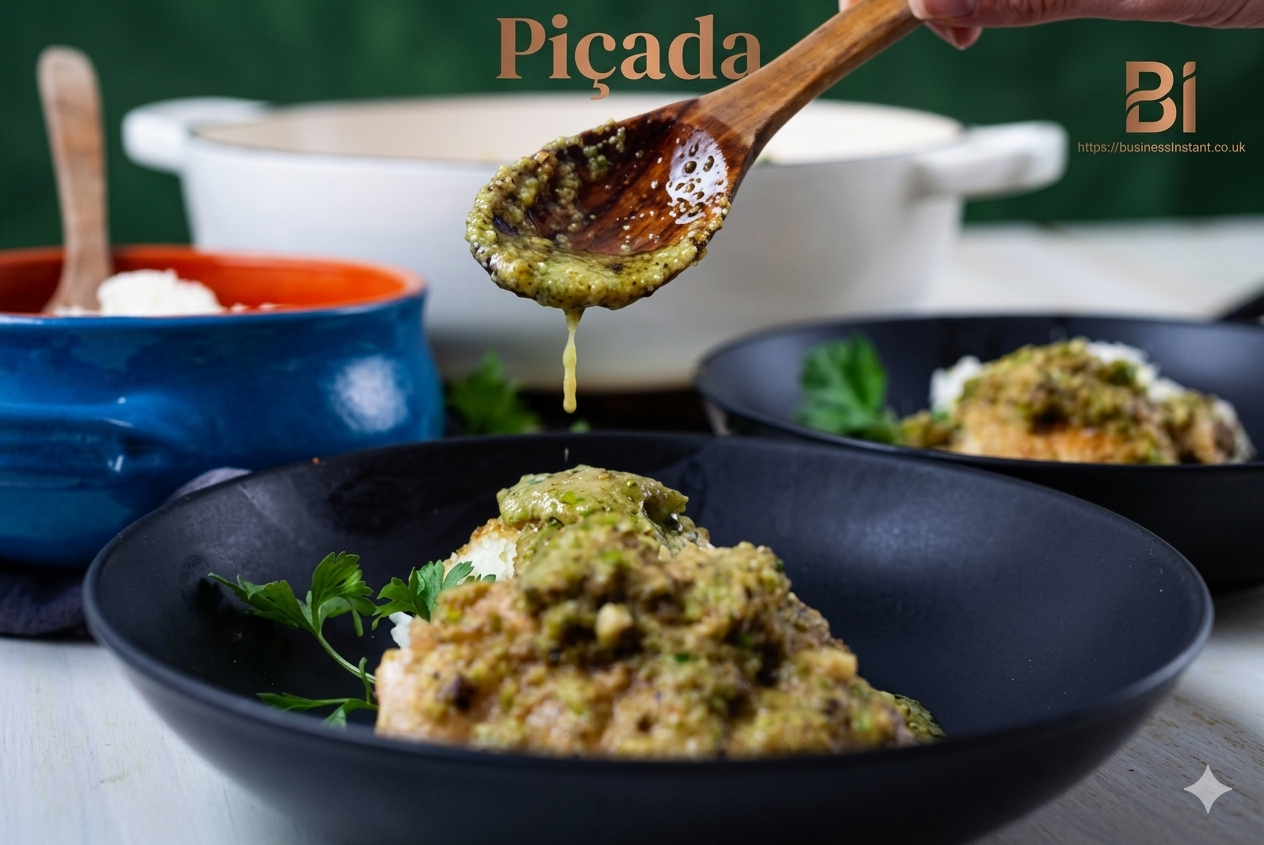
Piçada is sometimes confused with other similar-looking words, such as picada and pisada. In Spanish and Catalan, picada refers to a bite, chopped ingredients, or a culinary paste used in traditional dishes. In Portuguese, pisada means a footprint or footstep. These words, though phonetically similar, differ significantly in meaning. Piçada specifically relates to social interaction and communication, whereas the others pertain to physical actions or culinary contexts. Understanding these distinctions is essential for accurate use and comprehension, particularly for language learners or those reading multilingual texts.
Cultural Significance of Piçada
The cultural relevance of piçada extends beyond its literal meaning. It reflects social dynamics, emotional expression, and interpersonal relationships within Portuguese-speaking communities. In playful contexts, piçada serves as a tool for humor, teasing, and camaraderie, allowing individuals to interact lightly while signaling boundaries or social norms. In more serious contexts, it functions as a corrective mechanism, delivering feedback or admonishment in a way that is socially acceptable without being overly harsh. Its enduring presence in oral tradition highlights the ability of language to capture subtle shades of human interaction.
Piçada in Modern Communication
In the digital age, piçada has found new life in text messages, social media posts, and online forums. The term is often used to describe lighthearted critiques, friendly jabs, or metaphorical stings, adapting to the tone and pace of modern communication. Despite its colloquial roots, piçada remains expressive and relevant, demonstrating the way informal vocabulary continues to evolve in response to changes in social interaction and digital communication practices.
Conclusion
Piçada’s is a multifaceted Portuguese word that encapsulates the dynamics of social interaction, emotional expression, and linguistic creativity. Whether used as a serious reprimand, a playful poke, or a metaphorical reference to a verbal sting, the term carries cultural and emotional significance that resonates in everyday speech. Its origins in the verb picar, regional variations, and distinction from similar words illustrate the richness of language and the ways in which words adapt to reflect human experience. Far from being a simple term, piçada’s embodies the intersection of communication, culture, and tradition in the Portuguese-speaking world.