
Introduction
Calamariere is a term that has emerged in contemporary culinary circles to describe the artful preparation and appreciation of squid dishes, going beyond the simple fried calamari familiar to many. While not a formal word in traditional dictionaries, it conveys a sense of mastery, tradition, and creativity in seafood cuisine. At its core, Calamariere represents both a culinary philosophy and a cultural practice, emphasizing freshness, skillful preparation, and respect for the ingredient. The concept has roots in Mediterranean traditions but has found resonance in modern gastronomy, reflecting a growing appreciation for seafood as both a staple and a delicacy.
Origins and Cultural Context Calamariere
The origins of Calamariere are closely tied to Mediterranean food culture, particularly in regions such as Italy, Greece, and Spain, where squid has been an integral part of the diet for centuries. Squid, or calamari in Italian, has long been celebrated for its versatility, nutritional value, and distinctive flavor. Historically, coastal communities developed a range of techniques for cleaning, preparing, and cooking squid, often incorporating local herbs, oils, and wines. These traditions created a culinary vocabulary that values precision and flavor, which is central to the concept of Calamariere. The term itself, with the “-ere” suffix, evokes an artisan or specialist, much like other culinary titles such as pâtissier or sommelier, suggesting a level of expertise and devotion to the craft.
The Meaning of Calamariere
Calamariere can be understood as more than a dish; it is a culinary identity. It refers to the methods, techniques, and cultural knowledge surrounding squid preparation. A Calamariere is someone who possesses deep understanding of squid as an ingredient, knows the best ways to clean, season, and cook it, and can translate traditional recipes into modern culinary experiences. The term encapsulates both the process and the practitioner, celebrating skill, creativity, and respect for tradition. In this sense, Calamariere represents a bridge between centuries-old Mediterranean cooking practices and contemporary culinary innovation.
Culinary Techniques and Preparation
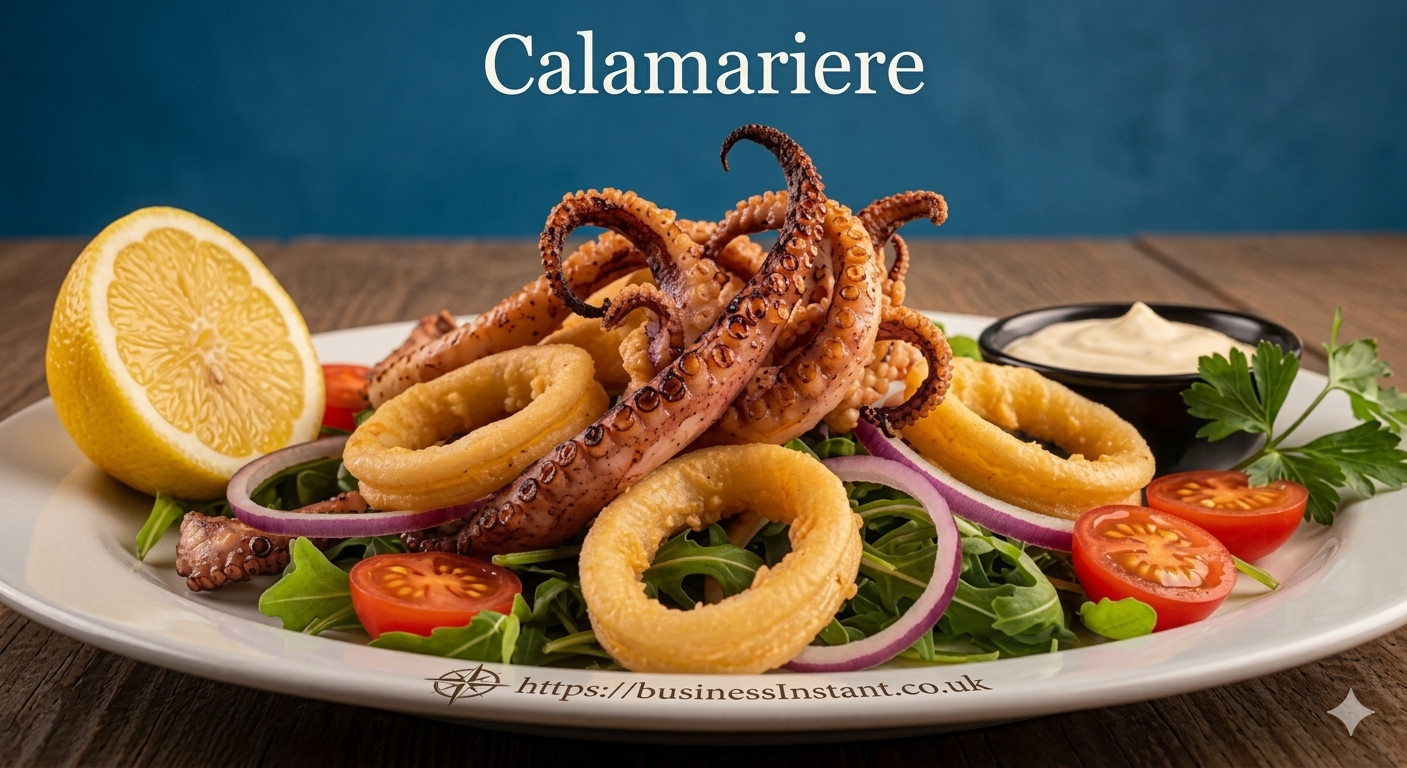
The essence of Calamariere lies in the techniques used to prepare squid dishes with precision and care. Proper preparation begins with selecting the freshest squid, cleaning it thoroughly, and removing internal organs and the ink sac while preserving the integrity of the flesh. The cooking process varies by region and style but commonly involves methods such as grilling, sautéing, stewing, or lightly frying. Calamariere dishes focus on enhancing the natural flavor of squid with complementary ingredients like olive oil, lemon, garlic, fresh herbs, and seasonal vegetables. Careful attention to timing and heat ensures tenderness and a delicate texture, which are hallmarks of the Calamariere approach.
Regional Variations
Calamariere takes on different forms depending on regional culinary traditions. In southern Italy, particularly Sicily and Campania, it may involve grilling whole squid with simple seasoning or stuffing squid with breadcrumbs, herbs, and local cheeses. Greek cuisine often features squid marinated in olive oil, lemon juice, and oregano, served as part of a mezze platter. Spanish dishes, especially in coastal regions, highlight baby squid, or chipirones, which are grilled or sautéed with garlic and parsley. Each regional approach preserves the freshness of the squid while infusing local flavors, demonstrating the versatility and cultural richness inherent in Calamariere.
Calamariere Modern Interpretations
In contemporary cuisine, Calamariere has expanded beyond traditional Mediterranean preparations. Chefs in North America, Europe, and Asia are experimenting with fusion techniques, incorporating squid into tacos, pastas, risottos, and innovative appetizers. Squid ink is sometimes used to flavor pasta or sauces, adding both depth and visual appeal. Modern Calamariere emphasizes creativity while remaining grounded in the principles of freshness, precise cooking, and thoughtful seasoning. This approach allows diners to experience squid in ways that honor its culinary heritage while appealing to modern palates.
Nutritional Value and Sustainability
Squid, the centerpiece of Calamariere, is a highly nutritious ingredient. It is rich in protein, low in fat, and contains essential minerals such as selenium, phosphorus, and zinc, along with beneficial omega-3 fatty acids. As a seafood choice, it can support healthy diets and provide vital nutrients. Sustainability is also a key concern in contemporary Calamariere practices. Chefs and home cooks alike prioritize responsibly sourced squid, harvested from fisheries that maintain ecological balance. By combining nutrition with sustainable sourcing, Calamariere reflects a broader commitment to health, ethics, and environmental awareness.
Cultural and Social Significance
Calamariere is more than just a culinary technique; it is a reflection of cultural identity and social tradition. In coastal communities, squid has historically been central to family meals, festive occasions, and community gatherings. The preparation and sharing of squid dishes often involve communal participation, storytelling, and the passing down of culinary knowledge across generations. By engaging with Calamariere practices, both chefs and diners participate in a living cultural tradition that connects food, history, and social interaction.
Conclusion
Calamariere represents a fusion of culinary skill, cultural tradition, and creative expression centered on squid. It highlights the importance of precision in preparation, attention to ingredient quality, and the ability to adapt traditional techniques to modern culinary contexts. From Mediterranean roots to contemporary global kitchens, Calamariere embodies the artistry and heritage of seafood cuisine, elevating a simple ingredient into an experience of taste, culture, and craftsmanship. Those who practice or enjoy Calamariere are participating in a long-standing tradition while embracing innovation, sustainability, and refined culinary artistry.