
Introduction
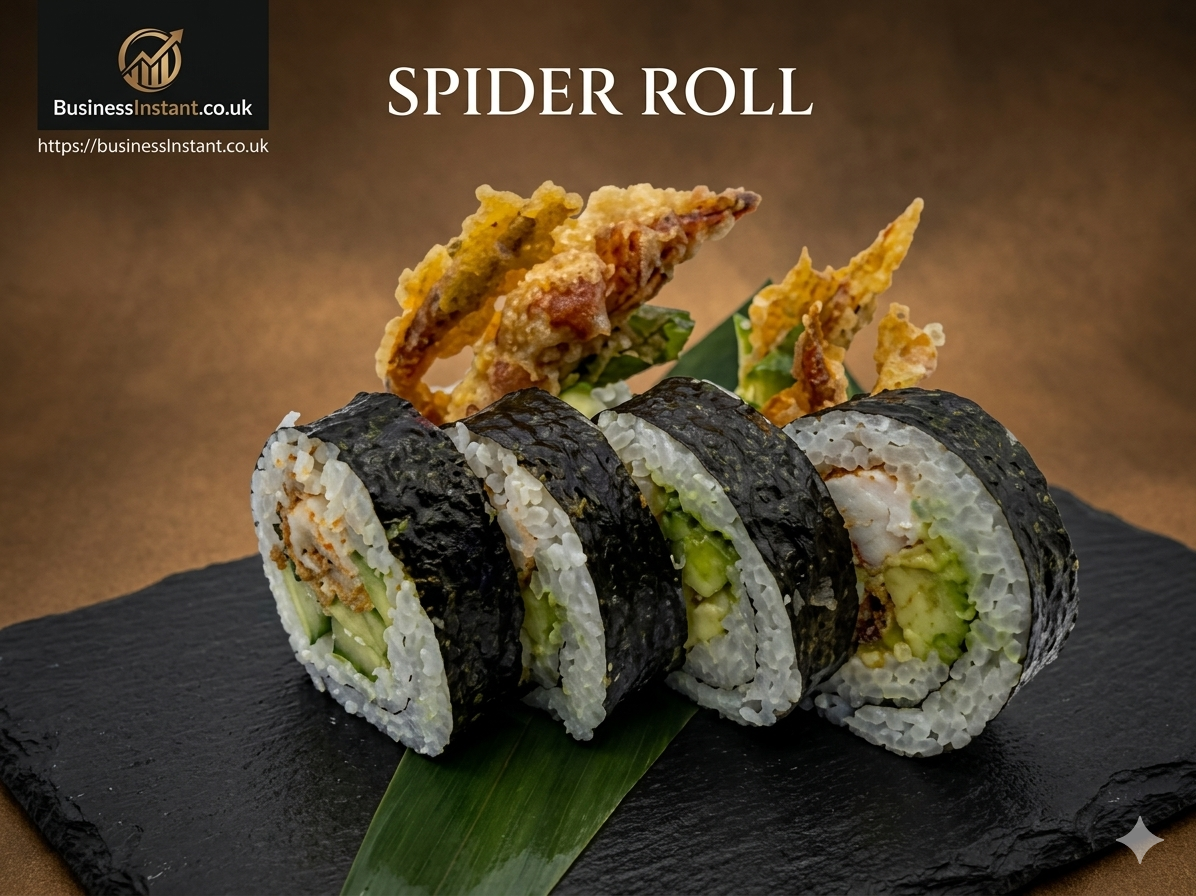
The Spider Roll is one of the most visually striking and flavorful sushi rolls in modern cuisine. Loved for its combination of textures and bold flavors, it stands out on sushi menus around the world. Unlike traditional raw sushi, the Spider Roll features soft-shell crab as its main ingredient, giving it a crunchy, savory, and warm bite that contrasts perfectly with fresh vegetables and seasoned rice. Its name comes from the way the crab’s legs extend from the roll, resembling a spider perched atop the sushi.
This roll has become a favorite not only among seasoned sushi lovers but also for those who are hesitant about raw fish. It is often considered an approachable introduction to the creativity and fusion present in contemporary sushi.
Origins of the Spider Roll
The Spider Roll is widely recognized as an American-style sushi creation, emerging in the late 20th century as sushi restaurants in North America adapted traditional Japanese techniques to local tastes. While Japan is the birthplace of sushi, many inventive rolls like the Spider Roll, California Roll, and Dragon Roll were created outside Japan, combining traditional ingredients like nori and rice with fried or cooked components that appeal to Western palates.
Soft-shell crab, the centerpiece of the Spider Roll, has long been used in Japanese cuisine, especially in tempura dishes. By incorporating this crab into a sushi roll, chefs created a dish that combined crunch, flavor, and visual appeal in a way that quickly captured diners’ attention.
Ingredients of the Spider Roll
The Spider Roll is made from a combination of fresh, flavorful, and contrasting ingredients:
Soft-Shell Crab: The star ingredient, fried to a golden crisp. Unlike hard-shell crab, it can be eaten whole, including legs and claws, providing a satisfying crunch and umami flavor.
Sushi Rice: Short-grain Japanese rice seasoned with rice vinegar, sugar, and salt, offering a slightly tangy and sweet base for the roll.
Nori (Seaweed): A sheet of dried seaweed wraps the fillings or sometimes the roll itself, adding a subtle oceanic flavor.
Vegetables: Fresh cucumber, avocado, and sometimes lettuce provide balance and a crisp, refreshing contrast to the fried crab.
Sauces: Spicy mayo or eel sauce is commonly drizzled on top. Spicy mayo adds creaminess and heat, while eel sauce brings a sweet-savory depth.
Optional Toppings: Sesame seeds, tobiko (fish eggs), or microgreens for added texture, flavor, and presentation.
The combination of these ingredients makes the Spider Roll a multi-textured, flavor-packed sushi experience.
How the Spider Roll is Made
Making a Spider Roll involves careful preparation to balance its textures and flavors. First, the soft-shell crab is cleaned and fried to a crisp golden brown. A sheet of nori is placed on a bamboo sushi mat, followed by an even layer of sushi rice. The crab, vegetables, and sauces are layered on top. The roll is then carefully rolled, sometimes inside-out (rice on the outside), and sliced into pieces for serving.
The crab’s legs often extend beyond the roll, giving it its characteristic “spider” appearance. The presentation, combined with the vibrant colors of avocado, cucumber, and sauces, makes it one of the most visually appealing sushi rolls.
Flavor and Texture
The Spider Roll’s popularity lies in its contrast of flavors and textures. The fried crab provides a warm, crispy bite, while the sushi rice is soft and slightly tangy. Fresh vegetables add a cool crunch, and creamy avocado balances the savory flavors. The addition of sauces like spicy mayo or eel sauce enhances the roll with sweet, salty, and spicy notes, creating a full-bodied and satisfying taste experience.
Unlike traditional raw fish sushi, the Spider Roll appeals to diners who prefer cooked seafood, making it accessible to a wider audience while still delivering the essence of sushi craftsmanship.
Variations of the Spider Roll
While the classic Spider Roll features fried soft-shell crab, sushi chefs often experiment with variations:
Some rolls include additional vegetables, like carrots or daikon sprouts, for extra crunch.
Others incorporate different sauces, balancing heat and sweetness with creative combinations.
In some high-end sushi restaurants, the roll is topped with masago, tobiko, or microgreens for aesthetic and flavor enhancements.
Hand-roll versions, where the ingredients are wrapped in nori without slicing, are also popular for a more casual dining experience.
These variations showcase the versatility of the Spider Roll and its adaptability to different tastes and presentation styles.
Spider Roll at Restaurants
In most sushi restaurants, the Spider Roll is considered a specialty item and often recommended for first-time visitors. Its combination of fried crab, fresh vegetables, and flavorful sauces makes it a show-stopping choice that is both delicious and visually impressive. Some restaurants may pair it with sake, light beers, or green tea, complementing the richness of the crab and sauces.
The roll’s presentation — often with crab legs extending outward — not only makes it appetizing but also makes it a popular choice for photography and social media sharing, adding to its cultural popularity.
Spider Roll at Home
Making a Spider Roll at home can be a fun culinary project for sushi enthusiasts. It requires basic sushi-making tools, fresh ingredients, and patience. Essential steps include cooking and frying the soft-shell crab properly, preparing seasoned sushi rice, assembling the roll using a bamboo mat, and finishing it with sauces and toppings. Homemade Spider Rolls allow experimentation with flavors and personalization, making them ideal for family gatherings or sushi nights at home.
Cultural Significance
The Spider Roll exemplifies how sushi has evolved beyond its traditional Japanese origins to become a global fusion cuisine. It combines techniques like sushi rolling with tempura frying and sauce layering, reflecting a balance of tradition and innovation. For many diners, it serves as an entry point to sushi, especially for those hesitant about raw fish. Its popularity illustrates how creative adaptations can expand the appeal of cultural dishes.
Conclusion
The Spider Roll is more than just a sushi roll; it is a culinary experience that balances flavor, texture, and visual appeal. With its crispy soft-shell crab, creamy avocado, fresh vegetables, and flavorful sauces, it delivers a satisfying bite that is loved by both sushi enthusiasts and newcomers alike. Its creation and enduring popularity highlight the fusion of Japanese culinary tradition with Western innovation, proving that sushi can evolve while remaining authentic at heart.
Whether enjoyed at a restaurant or crafted at home, the Spider Roll continues to delight diners with its bold flavors, creative presentation, and irresistible crunch. It is a testament to the endless possibilities of sushi and the art of combining tradition with innovation.