
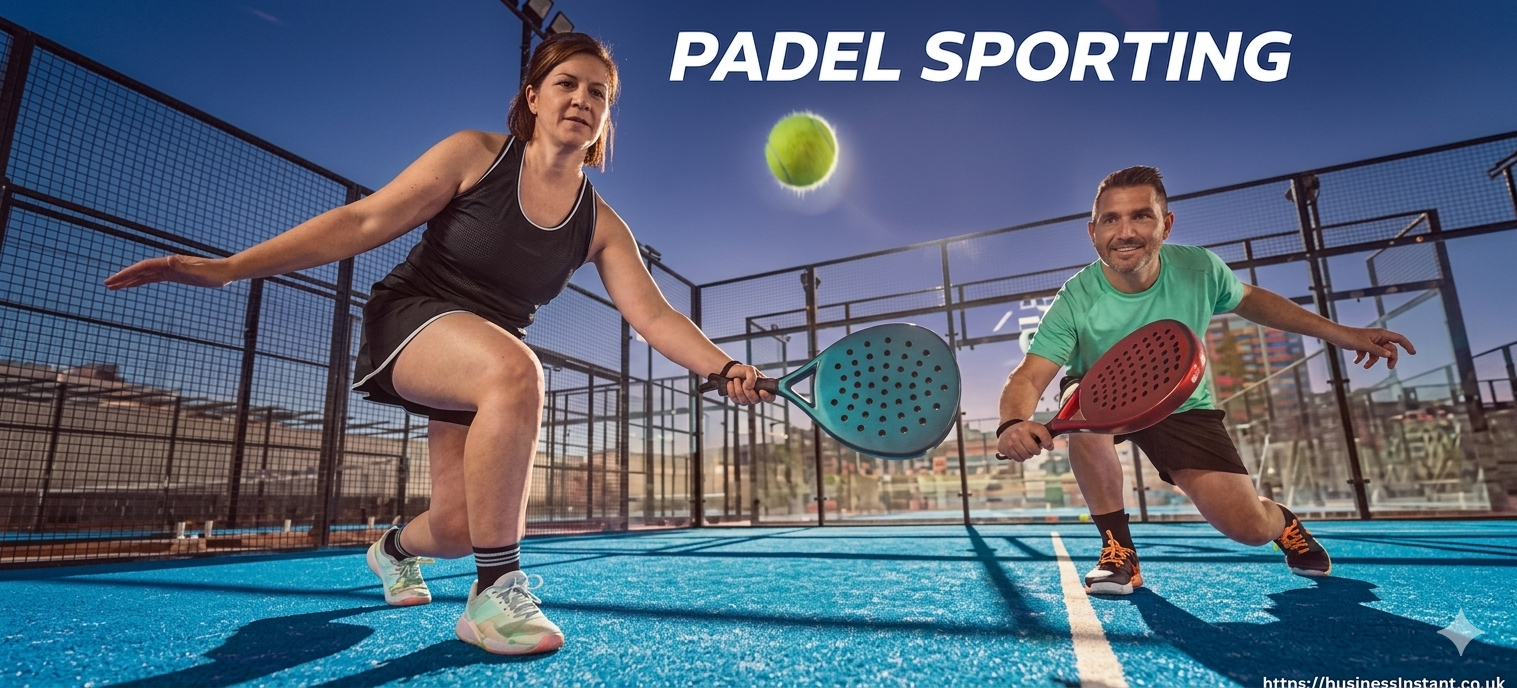

Padel Sporting is a dynamic, social, and rapidly expanding racket sport that has taken the world by storm. Combining elements of tennis, squash, and badminton, yet with a style entirely its own, padel has become one of the most accessible and enjoyable sports for players of all ages and skill levels. The game is celebrated for its fast-paced rallies, tactical depth, and social nature, making it a sport that fosters community as much as athleticism. Over the past few decades, padel has transformed from a backyard pastime into a global phenomenon, played in over ninety countries with tens of millions of enthusiasts worldwide.
What Is Padel Sporting?
Padel is a racket sport played almost exclusively in doubles, on a court roughly one-third the size of a tennis court. Players use solid rackets without strings and a low-compression ball, which makes rallies longer and more strategic. The walls of the court are not merely boundaries; they are an integral part of play, allowing players to rebound the ball and create angles similar to squash. This unique combination of elements gives padel its distinct identity, offering a balance between physical exertion, skill, and tactical thinking. Unlike other racket sports, padel is as much about placement, timing, and teamwork as it is about power and endurance.
The Origins and History of Padel
Padel originated in Mexico in the late 1960s when Enrique Corcuera modified his tennis court by adding walls, creating the first enclosed court. This innovation allowed players to experiment with rebounds and angles, laying the foundation for modern padel. The sport quickly spread to Spain, where it gained massive popularity and eventually expanded to Europe and Latin America. Over the years, padel has developed formalized rules, professional tours, and international federations, transforming from a casual recreational game into a recognized global sport. Its appeal lies in its accessibility, fast-paced nature, and the social interaction it encourages, which has led to rapid growth across the world.
The Padel Court
A standard padel court measures approximately twenty meters in length and ten meters in width, enclosed by glass and metal mesh walls. The court is divided by a net, and the enclosed environment allows players to use walls strategically, creating longer and more dynamic rallies. The surface is typically artificial turf or synthetic material designed for traction and lateral movement, which is crucial for the frequent side-to-side motion inherent in the game. The unique court design distinguishes padel from other racket sports, fostering creative gameplay and strategic decision-making that emphasizes angles, positioning, and teamwork.
Equipment for Padel
Padel players use solid, perforated rackets made from composite materials such as fiberglass or carbon fiber, with no strings. The shape, weight distribution, and surface texture of the racket influence control, power, and the feel of the ball. Padel balls are similar in size to tennis balls but have lower internal pressure, which supports longer rallies and enhances playability within the confined court space. Footwear is designed for court traction and stability, enabling quick lateral movements and rapid changes of direction. The combination of equipment ensures that players can engage in the sport safely, effectively, and comfortably, whether for recreation or competition.
Rules of Padel Sporting
Padel follows a set of rules that are straightforward for beginners but allow for strategic depth. Matches are played in doubles, and scoring is similar to tennis, with points progressing through fifteen, thirty, forty, and game. A standard set is usually played to six games, with a tiebreaker at six-all. The serve is performed underhand and must land diagonally in the opposite service box. Unlike tennis, power serves are less emphasized, and placement and consistency are paramount. The ball may bounce off the side and back walls after hitting the court, allowing creative shotmaking and extended rallies. These rules create a dynamic game where anticipation, positioning, and teamwork are critical to success.
Skills and Strategy
Padel’s skill set extends beyond physical prowess to include tactical awareness and strategic planning. Basic shots such as volleys, groundstrokes, lobs, and overhead smashes are essential, but mastering wall rebounds, angles, and court positioning separates casual players from advanced competitors. Successful padel teams communicate constantly, adjusting positioning and shot selection to exploit opponent weaknesses and control rallies. While it is easy to learn for beginners, the game offers substantial complexity for players seeking to refine strategy, develop nuanced shot execution, and coordinate seamlessly with a partner.
Physical and Mental Benefits
Padel offers extensive physical and mental benefits. The sport provides cardiovascular exercise through continuous movement and short bursts of intensity, enhancing aerobic capacity and endurance. Lateral movements, sudden accelerations, and changes of direction improve agility, balance, and coordination. The use of walls, angles, and shot variation requires cognitive engagement, enhancing focus, reaction time, and problem-solving skills. Moreover, the social aspect of doubles play fosters community and mental well-being, making padel a holistic activity that supports both physical fitness and mental health.
Competitive Padel
Padel has grown into a competitive sport at both amateur and professional levels. Community clubs host leagues, tournaments, and social competitions that accommodate players of all skill levels, fostering local participation and engagement. Professional tours showcase elite athletes, advanced techniques, and high-level strategy, attracting sponsorships and growing media coverage. Youth programs and junior leagues introduce the next generation to the sport, ensuring its continued growth. Competitions emphasize not only skill but teamwork, positioning, and tactical acumen, offering players a challenging yet rewarding environment.
The Culture and Community of Padel
Padel’s appeal extends beyond the court. The sport encourages social interaction, making it a community-driven activity that brings people together. Its accessibility allows players of all ages and abilities to participate, fostering inclusivity and camaraderie. Clubs and recreational facilities often function as social hubs, where players meet, share experiences, and build friendships. In addition, padel has become a lifestyle trend, with resorts, hotels, and travel destinations offering courts to attract enthusiasts, reflecting its growing status as both a sport and a cultural phenomenon.
Getting Started with Padel
Starting with padel is straightforward and accessible. New players can find local clubs or facilities offering courts and introductory lessons, allowing beginners to learn essential skills like serving, rallying, and wall play. Suitable gear, including a basic racket, appropriate shoes, and athletic clothing, enhances the playing experience. Engaging with friends, joining social leagues, or participating in group clinics provides opportunities for skill development and community involvement. With minimal barriers to entry, padel offers immediate enjoyment and long-term potential for growth, making it appealing to a wide audience.
Global Growth of Padel Sporting
Padel has experienced explosive global growth, reflected in the proliferation of courts, professional tours, and increasing participation rates. Europe and Latin America are leading regions, while North America, Asia, and the Middle East are witnessing rapid adoption. National and international federations have been established to standardize rules, organize events, and support development programs. The sport’s expansion into youth programs, corporate environments, and luxury hospitality further cements its global presence. This widespread adoption demonstrates padel’s appeal across cultures and demographics, signaling a sustainable trajectory for the sport.
Why Padel Matters
Padel Sporting represents more than a recreational activity. Its combination of accessibility, social engagement, physical fitness, cognitive challenge, and strategic depth makes it unique in the world of sports. The sport encourages long-term participation, community building, and personal growth, appealing to players of all levels. By blending fun, health, and competition, padel has emerged as a game that is both engaging and inclusive, redefining what it means to participate in a global sporting movement.
Conclusion
Padel Sporting is a compelling blend of skill, strategy, and social interaction. Its unique combination of wall-based gameplay, doubles competition, and tactical depth offers a fulfilling experience for beginners and advanced players alike. As the sport continues to expand worldwide, it fosters community, promotes physical and mental wellness, and cultivates a culture of inclusivity and enjoyment. For those seeking a sport that challenges the mind, strengthens the body, and builds lasting social connections, padel offers a complete and rewarding experience that is reshaping the global sporting landscape.