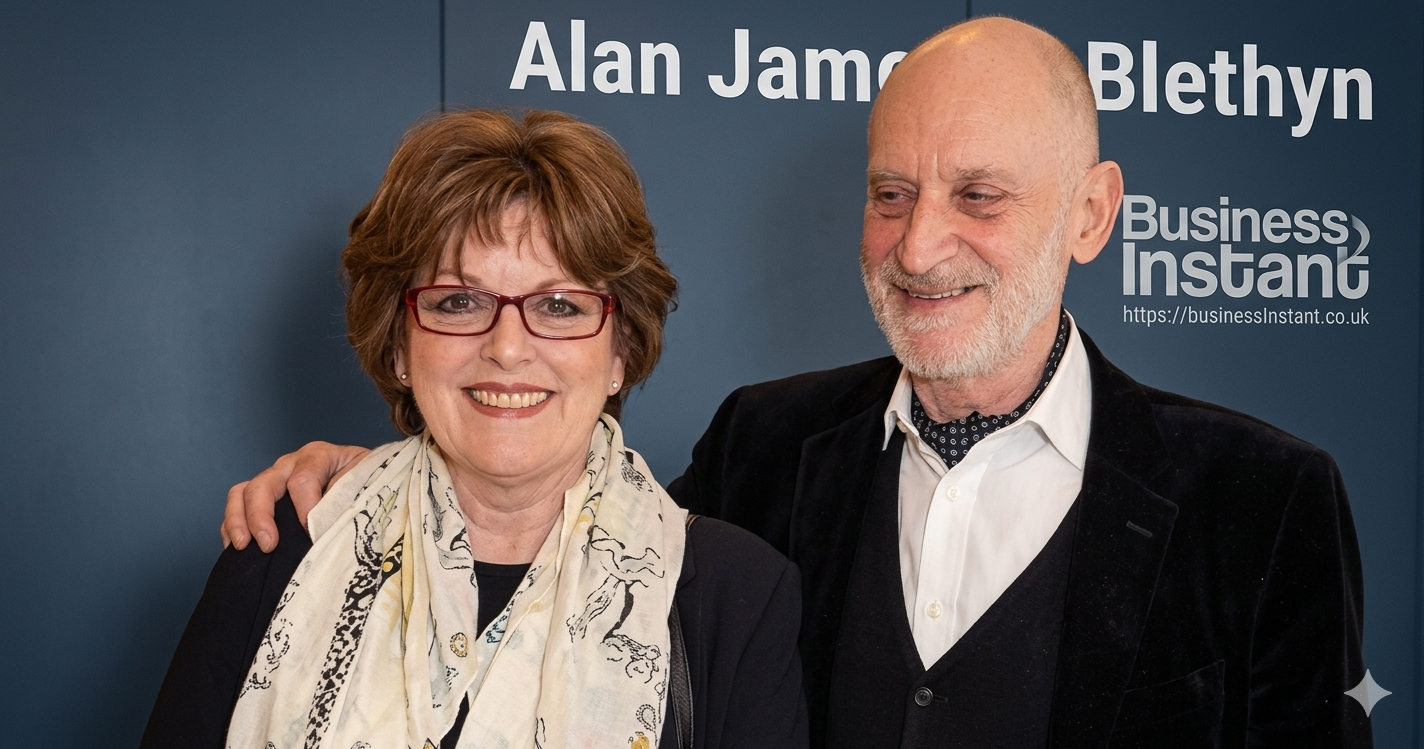

Alan James Blethyn is a figure whose life, though largely private, intersects with fascinating personal, cultural, and historical narratives. While he is best known as the former husband of acclaimed British actress Brenda Blethyn, Alan’s own story is worth exploring for its insights into mid‑20th century British society, personal ambition, creative pursuits, and the balance of private life with public connections. His experiences reflect both the social transformations of post-war Britain and the nuanced realities of being connected to prominent cultural figures.
This article provides a comprehensive look at Alan James Blethyn’s life — from his early years and family background to his professional identity, marriage, personal growth, and legacy — in a way that fully conveys his personal journey while situating it within broader social and cultural contexts.
Early Life and Family Background
Alan James Blethyn was born into a Britain that was still recovering from the social and economic upheavals of World War II. While the exact date and place of his birth are not widely documented, it is understood that he came of age during the late 1940s and 1950s, a period marked by reconstruction, social change, and emerging opportunities in professional and creative fields.
He was raised in a family that valued education, work ethic, and cultural awareness. The Blethyn surname carries historical significance, rooted in British and Welsh tradition. Families bearing the Blethyn name often had deep connections to regional communities and were known for blending tradition with adaptation to social change. Alan’s upbringing likely combined conventional family values with exposure to cultural and intellectual pursuits, providing a foundation for both his personal and professional development.
From a young age, Alan displayed curiosity and creativity. He was observant and thoughtful, showing early signs of both analytical thinking and artistic sensibility. These traits would later inform his career choices and interactions within professional and social circles.
Education and Formative Years
Alan’s education was likely a blend of formal schooling and practical skill development, reflecting the standards of post-war Britain. Children in his generation often attended local schools that emphasized literacy, mathematics, and general knowledge, while supplementary activities encouraged practical skills, arts, and civic responsibility.
Given Alan’s later professional identity as a graphic designer, it is reasonable to infer that he pursued specialized training in art, design, or visual communication. This education would have equipped him with both creative skills and an understanding of practical applications, preparing him for a career that required precision, innovation, and aesthetic judgment.
During his formative years, Alan would have witnessed significant cultural and societal shifts in Britain, including the expansion of media, advertising, and visual culture. This environment exposed him to emerging artistic trends and professional opportunities that shaped his approach to work and life.
Professional Life: Graphic Design and Creative Pursuits
Alan James Blethyn’s professional life is best understood through his work as a graphic designer. This profession requires not only technical skill but also creativity, aesthetic judgment, and the ability to communicate visually with clarity and impact.
Graphic design in mid‑20th century Britain was a growing field, encompassing areas such as corporate branding, advertising, publication design, and public communication. Alan’s work likely involved creating visual solutions that combined artistry with functionality, reflecting both his technical abilities and creative sensibility.
While specific projects or clients associated with Alan are not widely documented, his role as a professional in the creative sector demonstrates an engagement with visual culture and public communication. Graphic designers like Alan contributed significantly to the visual identity of organizations, products, and institutions, shaping how people perceived and interacted with brands and media.
Meeting Brenda Blethyn: A Turning Point
A defining moment in Alan’s personal life was meeting Brenda Anne Bottle, who would later become Brenda Blethyn. Their meeting occurred while both were employed at British Rail, an institution that offered stable work and professional opportunities in post-war Britain. Brenda worked as a stenographer and clerk, while Alan’s role as a graphic designer placed him in a complementary professional sphere.
Their meeting led to a romantic relationship and eventual marriage in 1964. At that time, Brenda was beginning to explore her ambitions in the dramatic arts, while Alan was establishing his professional identity in design. The marriage represented not only a personal union but also a convergence of two individuals navigating the social and cultural transformations of 1960s Britain.
Marriage and Domestic Life (1964–1973)
Alan James Blethyn and Brenda Blethyn shared nearly a decade of marriage, a period marked by personal growth, professional development, and adaptation to social change. Their life together reflected both conventional domestic routines and the evolving ambitions of each partner.
During this period, Alan continued to develop his career as a graphic designer, honing his craft and establishing professional credibility. Meanwhile, Brenda began to pursue formal training in acting, a journey that would eventually lead her to international acclaim. Their household balanced professional obligations with family life, navigating the challenges common to couples where one or both partners are engaged in ambitious creative or professional pursuits.
The marriage eventually ended in 1973, a turning point that coincided with Brenda’s decision to fully pursue her career in acting. While the dissolution of their union marked a personal transition, it also set the stage for both individuals to focus on their respective paths — Alan in his private professional life and Brenda in her public artistic career.
Life After Divorce
Following the end of his marriage, Alan James Blethyn appears to have led a largely private life. Unlike his former spouse, who became a celebrated actress with numerous accolades, Alan chose to maintain discretion and privacy.
His life after divorce likely involved continued engagement with his professional work, personal growth, and social relationships outside the public spotlight. By maintaining a low profile, Alan exemplified the choice to prioritize personal autonomy and privacy, distinguishing his path from the public trajectory of a former spouse.
Despite the lack of public records documenting his later professional projects or personal endeavors, it is reasonable to infer that Alan’s experiences and expertise as a designer continued to influence his personal and professional life in meaningful ways.
Cultural and Social Context
Alan James Blethyn’s life must be understood within the broader context of post-war British society. Born and raised during a period of reconstruction and social change, he witnessed transformations in employment, education, and cultural expression.
The expansion of professional sectors, including design, media, and communications, provided opportunities for individuals with technical skill and creative vision. Simultaneously, social mobility allowed young professionals like Alan to establish stable careers while engaging with emerging cultural trends.
His experience at British Rail also reflects the period’s professional landscape, where institutions offered both stability and exposure to creative and administrative responsibilities. Within this social and professional framework, Alan navigated both personal relationships and professional development.
Legacy and Reflection
Alan James Blethyn’s legacy is primarily tied to his personal story, professional contributions, and familial connections. While not a public figure in the conventional sense, his life offers insight into the experiences of individuals who intersect with more widely known cultural figures.
His marriage to Brenda Blethyn provides a lens into the challenges and dynamics of personal relationships during a period of social change, while his professional career in graphic design illustrates the significance of creative work in shaping visual culture and communication.
Alan’s life also serves as a reminder that not all meaningful contributions are publicly celebrated. Many individuals influence the lives of prominent figures, contribute to cultural production, and navigate complex personal and professional landscapes without widespread recognition.
Conclusion
Alan James Blethyn represents a unique intersection of personal, professional, and cultural narratives. Born into post-war Britain, he developed a career as a graphic designer, navigated personal relationships, and experienced life alongside an emerging cultural icon, Brenda Blethyn. His story reflects themes of privacy, professional dedication, and the nuanced lives of individuals connected to public figures.
Though much of his personal life remains private, Alan’s experiences highlight the interplay between public legacy and personal autonomy, the significance of creative work in mid-20th century Britain, and the enduring relevance of personal stories in understanding social and cultural history.
Alan James Blethyn’s life, in its quiet complexity, offers a compelling portrait of a man who lived at the confluence of personal ambition, cultural change, and historical circumstance, illustrating the richness of individual experience beyond the public gaze.