
Introduction
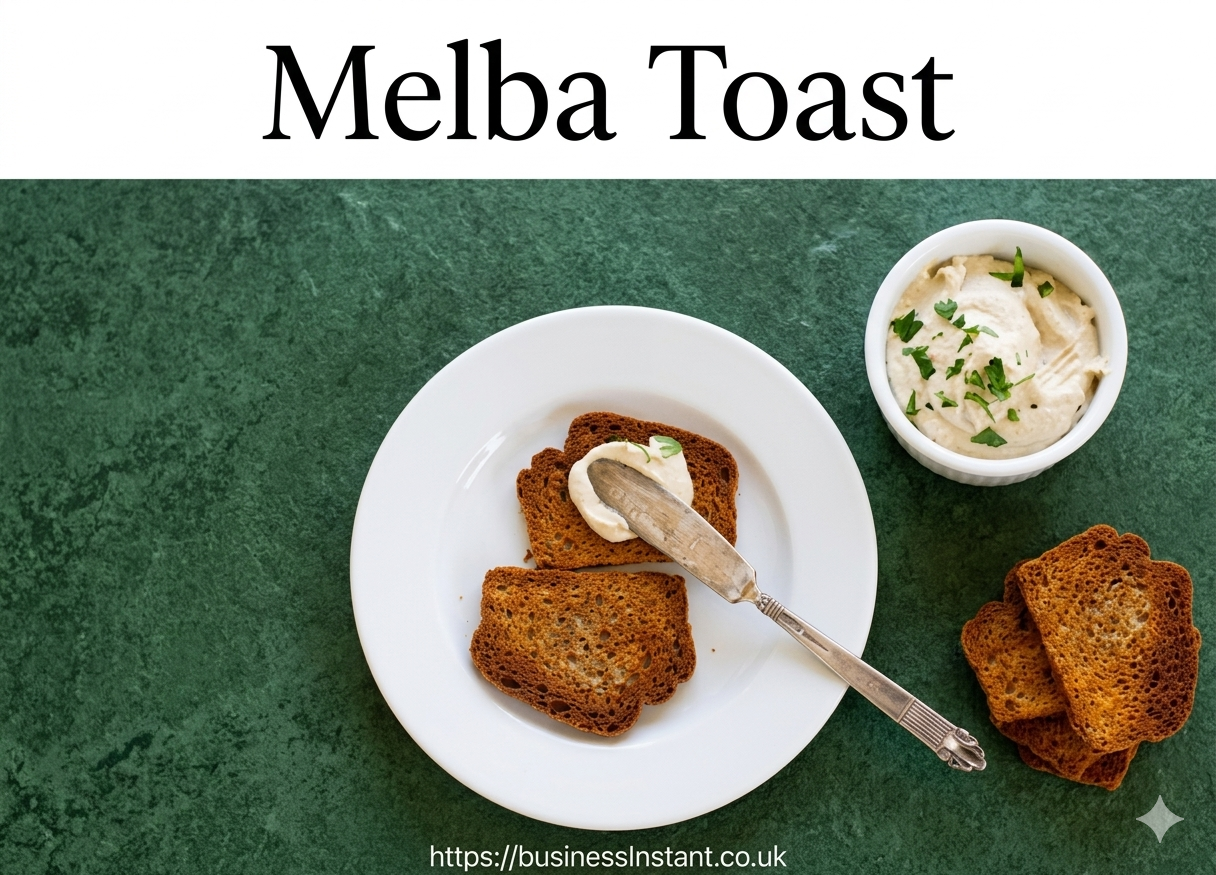
Melba toast is a thin, dry, crispbread known for its light crunch and delicate texture. It is enjoyed around the world as a snack, appetizer base, or accompaniment to soups and salads. Though simple in appearance, Melba toast carries a rich history and remains a staple in kitchens that value elegance and versatility. Its ability to pair with a wide range of toppings — from savory spreads to sweet fruits — has kept it popular for over a century.
Origins and History
Melba toast was created in the late 19th century by the famed French chef Auguste Escoffier. The toast was named after the Australian opera singer Dame Nellie Melba, who was celebrated across Europe for her performances. While staying at a luxury hotel in London, Melba required a light, easily digestible food due to illness. Escoffier responded by designing a very thin slice of bread that was toasted twice until crisp, producing what we now know as Melba toast.
Originally, the toast was considered a delicate accompaniment for refined meals and often served with soups, broths, or light spreads. Over time, it became a popular diet food due to its low fat content and low calorie count. Today, it is recognized as both a culinary classic and a versatile snack.
Characteristics of Melba Toast
Melba toast differs from regular toast in several ways. It is:
- Extremely thin: Bread slices are halved horizontally to create thin layers.
- Twice-baked: The first baking firms the bread, and the second removes moisture, creating a crisp, dry texture.
- Light and crunchy: Its texture makes it ideal for delicate toppings or as a contrasting element in dishes like salads and soups.
The neutral flavor allows it to pair with a wide variety of foods without overpowering them, making it suitable for both sweet and savory applications.
Preparation Methods
Traditional Melba toast is made at home or in artisanal bakeries using the following method:
- Slice bread thinly: Bread, often slightly stale, is sliced horizontally to create very thin pieces.
- First bake: The slices are lightly toasted until firm.
- Second bake: The slices are toasted again until they become dry, crisp, and lightly golden.
Modern commercial production often uses automated ovens to achieve consistent thinness and crispness. Specialty varieties may include whole-grain, multigrain, or herb-infused versions, offering additional flavors and nutritional benefits.
Nutritional Value
Melba toast is low in calories and fat, making it a popular choice for light meals or snacks. It is primarily composed of carbohydrates, with small amounts of protein and fiber, depending on the type of bread used. Some commercial versions are fortified with vitamins or minerals. Because it is dry and low in moisture, Melba toast can be a part of diet-conscious meal planning and is often recommended for those seeking a lighter alternative to traditional bread or crackers.
Culinary Uses
Melba toast’s versatility has made it a staple in both casual and fine dining. Common uses include:
- Appetizer base: Topped with cheese, pâté, smoked salmon, or tapenade.
- Soup accompaniment: Adds crunch to creamy or broth-based soups.
- Snack with spreads: Paired with butter, honey, or fruit preserves.
- Crumb substitute: Crushed to provide a lighter alternative in baked dishes.
Its ability to balance both sweet and savory flavors ensures that Melba toast remains relevant in a wide range of culinary contexts.
Melba Toast in Culture
Named after Dame Nellie Melba, the toast carries a legacy connected to elegance, high cuisine, and innovation in dietary foods. Historically, it has been associated with both luxury hotels and diet-conscious individuals. The creation reflects the influence of classical French chefs on global cuisine and highlights how simple foods can gain cultural significance.
Even today, Melba toast’s is often referenced in cookbooks, culinary magazines, and food media as a symbol of refinement and tradition.
Modern Variations
In contemporary kitchens, Melba toast comes in several variations:
- Whole-grain or multigrain: Adds fiber and nutrients.
- Flavored varieties: Infused with herbs, seeds, or spices.
- Miniature rounds: Ideal for bite-sized appetizers or hors d’oeuvres.
These variations allow cooks to incorporate the classic crispness of Melba toast into modern recipes while adding new flavors and textures.
Conclusion
Melba toast’s is a timeless food item that combines simplicity, versatility, and historical significance. From its creation by Auguste Escoffier for Dame Nellie Melba to its use in modern kitchens, it has proven itself as both a functional ingredient and a cultural icon. Light, crisp, and adaptable, Melba toast continues to inspire chefs, home cooks, and food enthusiasts alike, whether served with savory toppings, sweet spreads, or simply enjoyed on its own.