
Introduction
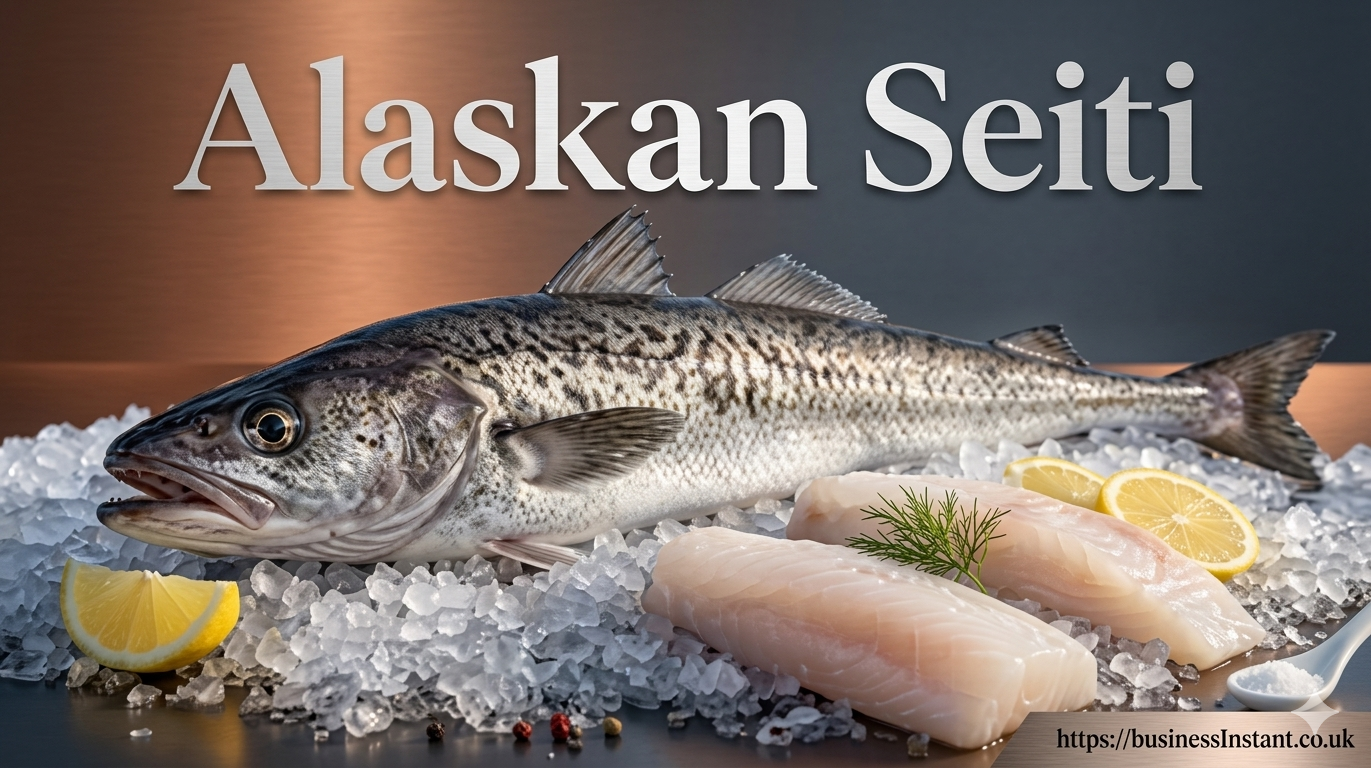
Alaskan Seiti is increasingly recognized as a premium choice for seafood lovers and health-conscious consumers. Although the name may be unfamiliar to some, it refers to the species more commonly known as Alaska pollock, scientifically called Gadus chalcogrammus. This cold-water whitefish thrives in the nutrient-rich waters of the Bering Sea and the Gulf of Alaska, giving it a mild flavor, firm texture, and delicate sweetness. As global awareness of sustainable seafood grows, Alaskan Seiti has emerged as both a healthy dietary option and an environmentally responsible choice. From household kitchens to fine dining, this versatile fish continues to gain attention for its culinary, nutritional, and ecological benefits.
What Is Alaskan Seiti?
Alaskan Seiti is essentially the commercial or regional name for wild-caught Alaska pollock. While the term “Seiti” is commonly used in parts of Northern and Eastern Europe, the fish itself is harvested off the Alaskan coast and is a member of the cod family. Its white, flaky flesh is mild in flavor and adaptable to a variety of cooking methods. Unlike farmed fish, Seiti lives in the open ocean, feeding on naturally occurring plankton and small marine organisms, which enhances its nutritional quality and contributes to its clean, light taste. It is typically sold fresh or frozen and is also widely processed into fillets, fish sticks, and surimi products.
Origin and Habitat
Alaskan Seiti thrives in the cold, pristine waters of the North Pacific, particularly the Bering Sea and Gulf of Alaska. These areas provide abundant plankton and small fish, which form the diet of the Seiti, contributing to the firm yet tender texture of its flesh. Wild populations are carefully monitored by fisheries management programs, ensuring that harvesting does not exceed sustainable levels. The Alaskan pollock fishery is one of the largest in the world, and strict regulations guarantee that the fish are harvested responsibly. This approach not only protects the marine ecosystem but also ensures that consumers have access to high-quality seafood.
Taste and Culinary Characteristics
Alaskan Seiti is prized for its mild, slightly sweet flavor and firm, flaky texture. The neutral taste makes it extremely versatile in cooking, allowing it to pair with a wide variety of herbs, spices, and sauces. When cooked properly, Seiti maintains a delicate, moist consistency that works well in both simple and complex recipes. It can be baked, grilled, steamed, poached, or pan-seared, and it is commonly used in soups, stews, and even sushi products when processed as surimi. Its adaptability has made it a staple in both domestic kitchens and large-scale food production around the world.
Nutritional Value
Alaskan Seiti is a nutrient-dense, lean source of protein. It is low in fat, calories, and carbohydrates, making it an ideal choice for those who are health-conscious or managing weight. The fish provides high-quality protein essential for muscle repair, metabolic function, and overall well-being. It also contains important vitamins and minerals, including vitamin B12, selenium, and phosphorus, which support immune function, energy production, and bone health. Additionally, Seiti contains moderate levels of omega-3 fatty acids, contributing to cardiovascular and cognitive health. Because it is low in mercury compared to larger predatory fish, it is considered safe for regular consumption by most age groups, including children and pregnant women.
Health Benefits
The consumption of Alaskan Seiti offers numerous health advantages. Its lean protein content supports muscle growth and recovery, while the moderate omega-3 levels help maintain heart and brain health. The fish is light and easy to digest, making it suitable for those with sensitive digestive systems or those seeking easily assimilable protein. Regular consumption of Seiti as part of a balanced diet can help manage weight, improve satiety, and provide essential nutrients that support overall physiological functions. Its versatility and mild flavor also make it an excellent choice for integrating seafood into everyday meals without overpowering other ingredients.
Sustainability and Environmental Impact
Alaskan Seiti stands out for its sustainable fishing practices. Wild populations are carefully monitored through annual assessments and scientific evaluations to prevent overfishing. Fisheries use responsible harvesting techniques that minimize bycatch and protect the broader marine ecosystem. Many Alaskan pollock fisheries carry certification from the Marine Stewardship Council (MSC), which validates that the fish are sustainably sourced and traceable from sea to table. Additionally, responsible management practices support coastal communities economically by providing stable employment opportunities for fishermen and processing plant workers. These factors make Alaskan Seiti a choice that is not only good for personal health but also environmentally responsible.
Cultural and Economic Significance
Alaskan Seiti is a crucial component of the global seafood market, especially in Northern Europe and North America. In European markets, the fish is often sold under the name “Seiti,” and it is widely used in home cooking as well as in commercial food production. Its affordability compared to premium whitefish varieties such as cod or halibut allows broader consumer access while maintaining nutritional quality. Economically, the Alaska pollock fishery contributes significantly to the U.S. seafood industry, supporting jobs and sustaining coastal communities. Culturally, it has become part of traditional meals in many regions, featuring in casseroles, baked dishes, and family-oriented recipes.
Choosing and Storing Alaskan Seiti
Selecting high-quality Seiti involves looking for certifications like MSC or regional labeling that indicates responsible sourcing. Fresh fillets should have firm flesh, a mild scent, and a clean appearance, while frozen options should be tightly packaged and free of freezer burn. At home, fresh Seiti should be stored in the refrigerator at temperatures between 32 and 38°F and consumed within one to two days. Properly wrapped fillets can be frozen for up to three months, retaining texture and flavor. Handling and storage are essential to preserving the quality and nutritional benefits of this delicate whitefish.
Cooking Tips
Alaskan Seiti’s mild flavor allows for creative culinary applications. Simple preparation methods such as baking with lemon and herbs highlight the natural taste, while pan-searing creates a crisp exterior without compromising tenderness. Steaming and poaching are excellent for retaining moisture, making Seiti suitable for lighter dishes. The fish can also be incorporated into soups, stews, or tacos, and it serves as an ideal protein source for family meals or upscale dishes. Its adaptability in international cuisines has made it a favored option among professional chefs and home cooks alike.
Conclusion
Alaskan Seiti is much more than just a whitefish. It represents a convergence of nutrition, sustainability, culinary versatility, and economic value. With its firm yet flaky texture, mild flavor, and impressive nutrient profile, Seiti has become a preferred choice for health-conscious consumers and chefs worldwide. Its responsible harvesting ensures that it remains an environmentally sound option for seafood lovers who wish to enjoy high-quality fish without compromising ecological integrity. From everyday meals to gourmet preparations, Alaskan Seiti offers a reliable, healthy, and sustainable seafood option that is likely to maintain its prominence in global cuisine for years to come.