
Introduction
Foenegriek, also known as fenugreek, is a remarkable herb that has been cultivated and used for thousands of years across multiple cultures. Its seeds, leaves, and extracts are valued for their unique flavor, distinctive aroma, and numerous health benefits. This versatile plant has played a central role in culinary traditions, traditional medicine, and modern wellness practices. From enhancing the taste of regional dishes to supporting digestion and metabolism, foenegriek continues to be celebrated both as a flavorful ingredient and a natural remedy.
Historical Background
Foenegriek’s history stretches back to ancient civilizations, including Egypt, Greece, and Rome. It was used in Egypt for both culinary purposes and embalming rituals, demonstrating its multifaceted significance. In Greece and Rome, it was appreciated as both a spice and a medicinal plant. Its Latin name, Trigonella foenum-graecum, which means “Greek hay,” reflects its European connections. In the Indian subcontinent, foenegriek has been a central part of Ayurvedic medicine and daily cooking for centuries, valued for its ability to improve digestion, strengthen the body, and support reproductive health. Its enduring use across continents highlights the universal appreciation for its properties and flavor.
Botanical Characteristics
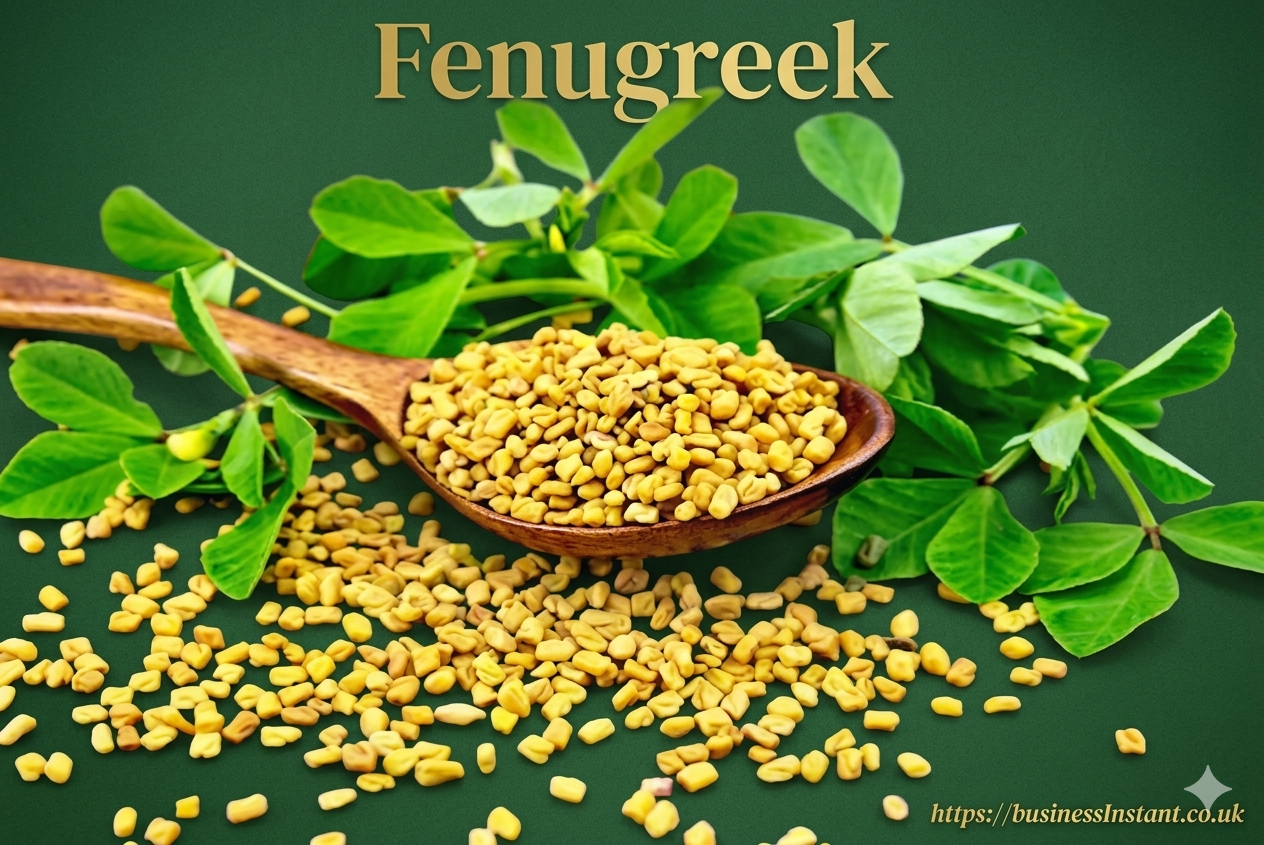
Foenegriek is an annual herbaceous plant that grows between thirty and sixty centimeters tall. It features trifoliate green leaves, clusters of small yellow or white flowers, and elongated seed pods that contain hard, yellow-brown seeds. The seeds are the most commonly used part of the plant, prized for their nutty flavor and aromatic qualities when roasted. The leaves, whether fresh or dried, are used as herbs or vegetables in many traditional dishes. The plant’s adaptability and resilience have allowed it to thrive in diverse climates, contributing to its global spread and popularity.
Fenugreek Nutritional Profile
The nutritional composition of foenegriek seeds makes them both a culinary and healthful choice. The seeds are rich in carbohydrates and dietary fiber, which support digestion and promote satiety. They contain moderate amounts of protein, essential vitamins including B-complex compounds, and minerals such as iron, calcium, magnesium, and zinc. The combination of fiber, micronutrients, and bioactive compounds contributes to its traditional use in promoting overall wellness and addressing specific health concerns, ranging from digestive issues to metabolic regulation.
Fenugreek Culinary Uses
Foenegriek is widely used in kitchens around the world due to its unique flavor and aroma. The seeds are often roasted to enhance their nutty notes and incorporated into curries, stews, and spice blends. Fresh leaves, known as methi in South Asia, are cooked into vegetable dishes, flatbreads, and lentil-based meals, while dried leaves, or kasuri methi, are used to impart an earthy, aromatic flavor to sauces and gravies. In addition to savory dishes, foenegriek has been used in herbal teas, infused beverages, and even in sweets, reflecting its versatility and adaptability across cuisines.
Fenugreek Health Benefits
Foenegriek has been valued for its potential health benefits for centuries. It is known to aid digestion due to its fiber content and mucilaginous properties, which can soothe the stomach lining. The seeds have been studied for their role in regulating blood sugar levels, making them beneficial for individuals with type 2 diabetes. Additionally, foenegriek may support heart health by improving cholesterol profiles and reducing inflammation. Traditionally, it has been used to promote lactation in nursing mothers, support reproductive health, and enhance male vitality. Its antioxidant compounds contribute to overall cellular health, reinforcing its status as a multipurpose herb in both culinary and medicinal contexts.
Traditional Medicine Applications
Across cultures, foenegriek has maintained a prominent role in traditional medicine. In Ayurveda, it is used to balance bodily energies, improve digestion, and strengthen overall vitality. Traditional Chinese medicine employs the herb to address weakness and enhance reproductive health. In Middle Eastern herbal traditions, foenegriek is utilized to support metabolism and improve digestion. These practices often emphasize a holistic approach, combining foenegriek with other natural remedies to achieve comprehensive health benefits.
Preparation and Consumption
Foenegriek can be used in multiple forms. Whole seeds are typically soaked, roasted, or ground into powder for culinary use. Fresh leaves are cooked into vegetables, while dried leaves are sprinkled into sauces and curries. The seeds can also be brewed into tea, creating a mildly bitter infusion that supports digestive health and overall wellness. Foenegriek extracts and supplements are increasingly available, providing concentrated forms for specific health purposes. Traditional preparation often involves soaking to reduce bitterness and enhance digestibility, while modern culinary techniques use roasting or grinding to develop flavor and aroma.
Modern Applications and Cultural Significance
Today, foenegriek continues to be incorporated into global culinary traditions, dietary supplements, and natural health products. Its seeds, leaves, and extracts are widely available in markets and grocery stores, often marketed for their digestive, metabolic, and lactation-supporting properties. Beyond nutrition, foenegriek holds cultural significance in South Asian, Middle Eastern, and Mediterranean cuisines, reflecting centuries of culinary heritage. Its historical connections and ongoing popularity underscore its status as both a traditional and contemporary ingredient.
Safety and Precautions
Although generally safe for consumption, foenegriek should be used with care in certain situations. Large amounts may cause digestive discomfort, and it may interact with medications that affect blood sugar. Individuals with legume allergies should exercise caution. Pregnant women are advised to consult healthcare professionals before using foenegriek in medicinal doses, as high amounts may stimulate uterine contractions. Responsible use ensures that consumers can enjoy its culinary and health benefits safely.
Conclusion
Foenegriek, or fenugreek, is a plant of remarkable versatility and enduring appeal. From its historical origins in ancient civilizations to its use in modern kitchens, traditional medicine, and dietary supplements, it continues to provide flavor, nutrition, and wellness benefits. Whether used as a spice, vegetable, tea, or supplement, foenegriek exemplifies the power of natural ingredients to bridge culinary delight and health support. Its rich history, unique flavor, and diverse applications make it a timeless herb valued by cultures worldwide.