

Introduction
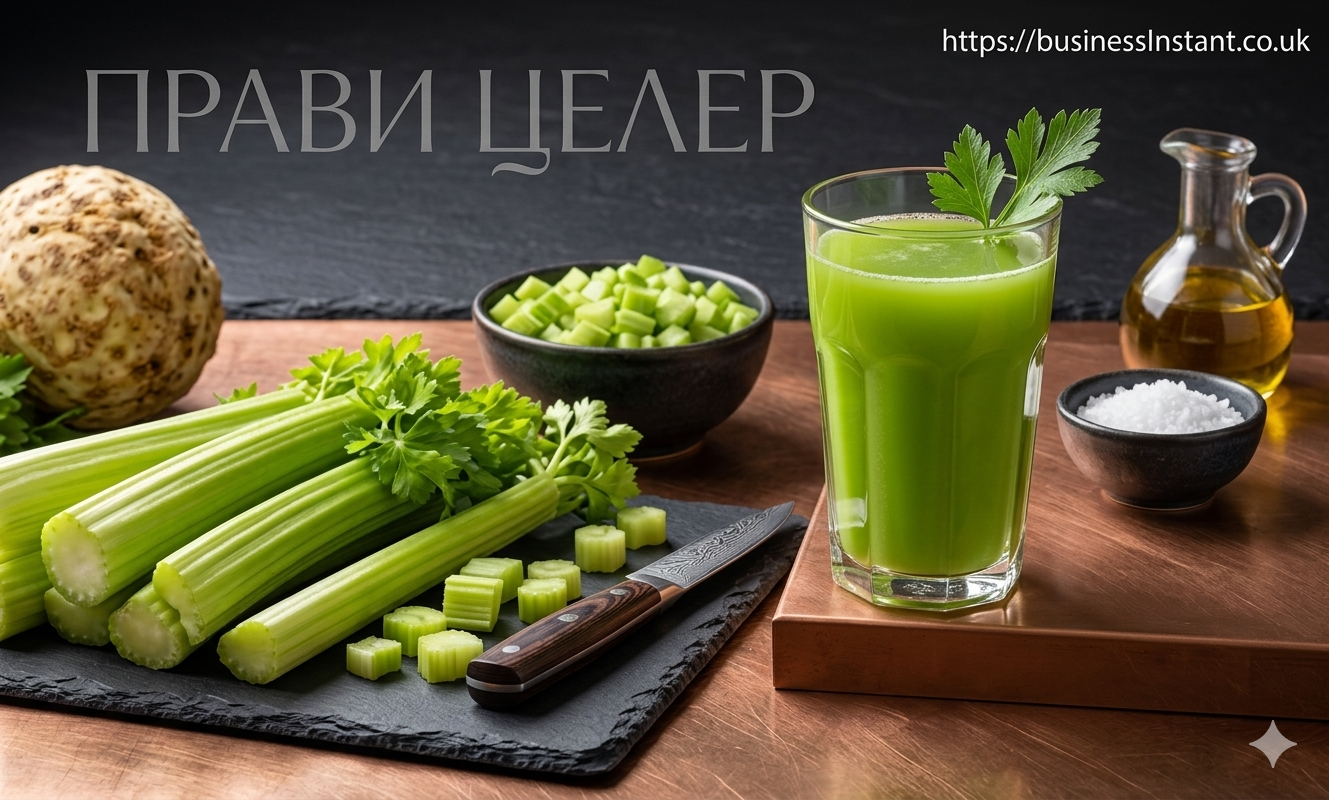
Pravi Celer, which translates as “true celery” in several Slavic languages, represents a holistic approach to one of the world’s most familiar vegetables. Unlike the trimmed, commercially sold stalks often seen in supermarkets, Pravi Celer emphasizes the whole plant — including stalks, leaves, roots, and seeds. This concept is rooted in centuries-old culinary traditions where every part of the plant was valued for its flavor, aroma, and nutritional properties. Today, Pravi Celer is gaining attention not only for its rich heritage but also for its remarkable health benefits and versatility in modern cuisine.
Botanical Identity
Pravi Celer belongs to the species Apium graveolens, a member of the Apiaceae family, which includes carrots and parsley. It encompasses several cultivated varieties, each valued for distinct culinary and nutritional purposes. The stalk variety is commonly used in salads and raw dishes, while the root, known as celeriac, is prized for its earthy flavor and dense nutritional content. The leaves serve as aromatic herbs, and the seeds provide a pungent spice used in both culinary and medicinal applications. Emphasizing the complete plant is what distinguishes Pravi Celer from standard commercial celery and aligns with traditional dietary practices.
Historical and Cultural Significance
Celery has been cultivated for thousands of years and was well known to the ancient Greeks and Romans. In Slavic and Balkan traditions, Pravi Celer was a staple in the diet, often consumed in soups, stews, and as a seasoning. Each part of the plant was used purposefully: stalks for texture and hydration, roots for hearty dishes, leaves for flavoring, and seeds for spice or medicinal teas. Beyond nutrition, celery carried cultural symbolism, representing vitality, endurance, and purification. Folk medicine traditions also employed celery for digestive support, circulation, and overall wellness. The holistic use of the plant reflects a deep respect for its natural properties and the wisdom of traditional diets.
Nutritional Profile
Pravi Celer is a nutrient-dense vegetable when consumed as a whole. While celery stalks are largely water, they provide important vitamins and minerals, including vitamin K, vitamin C, potassium, and dietary fiber. The roots and leaves significantly enhance the plant’s nutritional profile, offering higher concentrations of antioxidants and phytonutrients. Flavonoids and polyphenols present in the plant contribute to anti-inflammatory effects and help combat oxidative stress. Including the entire plant in the diet ensures that one receives a full spectrum of its health-promoting compounds, far beyond what is typically obtained from stalks alone.
Health Benefits
Consuming Pravi Celer provides a range of health benefits. The combination of water and fiber supports digestive health, promoting regularity and gut function. Bioactive compounds, particularly flavonoids, have anti-inflammatory and antioxidant effects that may reduce the risk of chronic diseases and support overall cellular health. Phthalides in celery help relax arterial walls, contributing to healthy blood pressure, while potassium supports cardiovascular function. The plant also has mild diuretic properties, which can aid in fluid balance and kidney health. Together, these properties make Pravi Celer a versatile ally in both everyday nutrition and wellness-focused diets.
Culinary Uses Pravi Celer
Pravi Celer is remarkably versatile in the kitchen, and traditional use encourages employing every part of the plant. The stalks provide a crisp texture, perfect for raw salads, soups, and stews. Leaves can be chopped or blended to add a herbal, aromatic component to sauces and dressings. The root, or celeriac, offers a rich, earthy flavor when roasted, mashed, or incorporated into purees, enhancing the depth of any dish. Even the seeds, though used sparingly, contribute a pungent, aromatic accent to soups, spice blends, and teas. By embracing the whole plant, cooks can maximize both flavor and nutrition in a variety of preparations.
Modern Wellness Applications
In contemporary wellness trends, celery juice has gained popularity for its hydrating and refreshing qualities. However, proponents of Pravi Celer argue that using only stalks for juice overlooks the nutritional value of the leaves and roots. Whole-plant consumption preserves fiber, phytonutrients, and micronutrients that are otherwise lost in juice alone. Incorporating all parts of the plant allows for nutrient synergy, enhancing anti-inflammatory and antioxidant benefits. This approach reflects the holistic principles of traditional Pravi Celer use, bridging historical knowledge with modern health practices.
Cultivation and Harvesting Pravi Celer
Pravi Celer requires consistent moisture and nutrient-rich soil to thrive, making it a long-season crop that rewards patience and attention. Stalks can be harvested continuously, leaves can be picked as needed, and roots are best collected once fully matured. Proper storage ensures optimal freshness and nutrient retention: stalks keep well in refrigeration, roots can be stored in cool, damp conditions, and leaves can be dried or frozen. This holistic approach to growing and harvesting mirrors traditional practices, preserving the plant’s integrity and health benefits.
Pravi Celer Cultural Symbolism
Beyond its culinary and nutritional value, Pravi Celer holds symbolic significance in many cultures. It has long been associated with vitality, endurance, and cleansing. The upright growth of celery stalks symbolizes strength and resilience, reflecting the plant’s historical role in ritual and folk medicine. These cultural narratives illustrate how food can carry meaning beyond sustenance, linking nutrition with tradition, symbolism, and community identity.
Integrating Pravi Celer into Daily Life
Incorporating Pravi Celer into everyday meals is straightforward and rewarding. Using the whole plant allows one to enjoy a range of textures, flavors, and nutrients. Stalks can be eaten raw or lightly cooked, leaves can enhance sauces and dressings, roots can provide earthy undertones in soups and roasted dishes, and seeds can be added for aromatic depth. By embracing the entire plant, individuals can maximize both culinary and nutritional benefits while reconnecting with traditional approaches to food and wellness.
Conclusion
Pravi Celer is far more than a simple vegetable. By emphasizing the use of stalks, leaves, roots, and seeds, it embodies a philosophy of holistic nutrition and culinary versatility. Its rich history, cultural significance, and health-promoting properties make it a valuable addition to modern diets. By returning to the principles of Pravi Celer, individuals can experience the full potential of this humble yet remarkable plant, honoring tradition while enhancing wellness and enjoyment in contemporary cuisine.